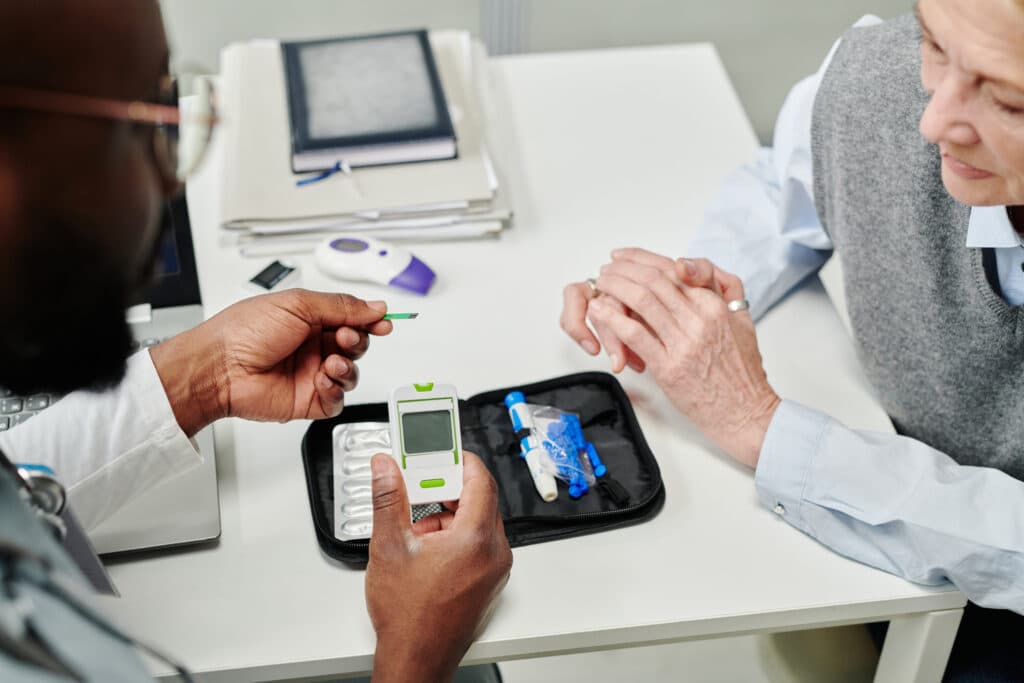

Managing diabetes effectively depends on accurate blood test results. Doctors rely on these tests to check your blood sugar levels, cholesterol, and overall health. One of the most common questions patients ask is **blood tests how long to fast before**. Fasting ensures your results are not affected by recent food or drinks. In this detailed guide, we explain everything about fasting for blood work, especially for diabetes treatment. Whether it’s your fasting blood glucose test or lipid profile, proper fasting helps your doctor give you the right treatment plan.
What Is Fasting for Blood Work and Why It Matters for Diabetes Treatment
Here's a clear comparison (based on major studies, especially for PCOS):
Fasting for blood work means you stop eating and drinking anything except water for a specific time before your test. For people with diabetes or at risk of diabetes, this is very important.
Why? Food and drinks can raise your blood sugar and triglyceride levels. This can give false readings. For example, a fasting blood glucose test needs accurate results to diagnose or manage diabetes. Without fasting, your doctor might think your sugar is higher than it really is, leading to wrong medicine doses or unnecessary worry.
In diabetes treatment, fasting tests help track how well your body controls sugar after overnight rest. They also check for related issues like high cholesterol, which is common in diabetes patients. Always follow your doctor’s instructions because not all blood tests need fasting – HbA1c does not, but fasting plasma glucose and lipid panels usually do.
How Long Do You Need to Fast Before Blood Tests for Diabetes?
The standard answer to **blood tests how long to fast before** is **8 to 12 hours**. Most labs and doctors recommend at least 8 hours, and many prefer 12 hours for the most accurate results.
– For fasting blood glucose (the most common diabetes test): Fast for at least 8 hours, ideally 12 hours overnight.
– For lipid profile (cholesterol test, important for diabetes heart risk): Usually 9-12 hours.
– For oral glucose tolerance test: Sometimes longer, up to 14 hours.
Schedule your blood test in the morning so you can fast while sleeping. For example, stop eating after 8 PM for a 9 AM test – that’s about 13 hours. Always confirm the exact time with your lab or doctor, as it can vary slightly depending on the test.
Can You Drink Water, Black Coffee, or Take Medicine While Fasting?
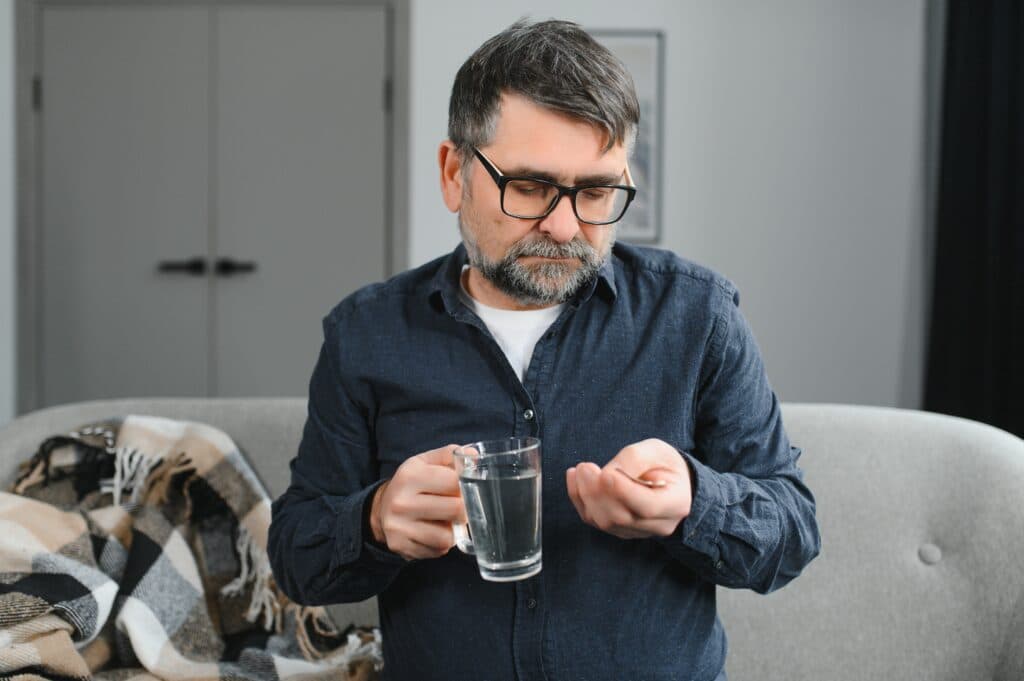
- Many patients wonder what is allowed during fasting. Here’s the clear rule:Water: Yes! Drink plenty of plain water. It does not affect blood test results and actually helps keep your veins easier to find for the blood draw.Black coffee or tea: Usually no. Even without sugar or milk, coffee can affect some results like glucose or cholesterol. Stick to water only.Medicine: It depends. Take your regular diabetes medicines (like metformin or insulin) unless your doctor says otherwise. Never stop heart or blood pressure pills without asking. Tell the lab staff exactly what you took.Smoking and exercise should also be avoided during the fasting period because they can change your blood sugar and fat levels.
What If You Accidentally Eat or Drink During Fasting?
It happens to everyone! If you accidentally eat or drink something (even a small snack or sugary coffee), do not panic.
Tell the lab staff right away. They may reschedule your test for another day or note it on your report so your doctor knows the result might not be fully accurate. For diabetes treatment, one wrong test is not the end of the world – your doctor can order a repeat test. The most important thing is honesty so you get the right diabetes management plan.
Tips for a Successful Fasting Period and When You Can Eat Again
- Book your appointment early in the morning.
- Eat a light dinner the night before and avoid heavy, fatty, or sugary foods.
- Set an alarm to stop eating and drinking (except water) at the right time.
- Stay relaxed – stress can also affect blood sugar.
- After the blood draw, you can eat and drink normally right away. Bring a snack with you if you feel hungry or dizzy.Preparing well makes fasting easier and gives better results for your diabetes treatment: