

Dealing with diarrhea can be uncomfortable and disruptive — loose, watery stools multiple times a day, often with cramps or urgency. While it usually passes quickly, understanding the diarrhea causes helps you manage it better and know when it’s time to see a doctor.
At Avant Medical Group in New York, NY, we provide compassionate primary care for digestive issues, including diarrhea evaluation, stool testing, hydration advice, and referrals to GI specialists. If you’re experiencing frequent or persistent diarrhea, we’re here to help identify the cause and guide you to relief.
This guide covers the main causes of diarrhea, symptoms to watch for, and simple steps — based on reliable sources like Mayo Clinic and Cleveland Clinic.
What Is Diarrhea and How Common Is It?

Diarrhea means loose or watery stools 3+ times a day (or more than normal for you). It can be acute (short-term, 1–2 days), persistent (2–4 weeks), or chronic (over 4 weeks). Most cases are mild and resolve at home, but recurring diarrhea signals an underlying issue.
Key Takeaway
Diarrhea is often your body’s way of flushing out irritants, but persistent cases need professional checks to prevent dehydration or complications.
Common Diarrhea Causes
Here are the top diarrhea causes, grouped by type:
- Infections (Most Common for Acute Diarrhea)
- Viruses: Norovirus (“stomach flu”), rotavirus (common in kids), astrovirus, or even COVID-19-related GI issues. These spread via contaminated food/water or close contact.
- Bacteria: E. coli, Salmonella, Campylobacter, Shigella, or C. difficile (often after antibiotics).
- Parasites: Giardia or Cryptosporidium from contaminated water/food. Traveler’s diarrhea (from bacteria/parasites in developing areas) is a frequent example. Mayo Clinic on infections
- Food-Related Causes
- Food poisoning or contaminated food/water.
- Food intolerances: Lactose (dairy), fructose (fruits/sweeteners), or artificial sweeteners like sorbitol.
- Gluten sensitivity (celiac disease) or allergies. Cleveland Clinic on food causes
- Medications and Treatments
- Antibiotics (kill good gut bacteria, leading to imbalance or C. diff).
- Antacids with magnesium, cancer drugs, or overuse of laxatives. Cleveland Clinic on medications
- Chronic Digestive Conditions
- Irritable Bowel Syndrome (IBS) — stress, diet triggers.
- Inflammatory Bowel Disease (IBD): Crohn’s or ulcerative colitis (inflammation).
- Celiac disease, microscopic colitis, or bile acid issues. NIDDK on chronic causes
- Other Factors
- Stress/anxiety.
- Radiation therapy or surgery side effects.
- Overconsumption of caffeine, alcohol, or fatty foods.
Comparison Table: Acute vs. Chronic Diarrhea Causes
Type | Duration | Common Causes | Typical Triggers/Notes |
Acute | 1–14 days | Viruses (norovirus), bacteria, food poisoning | Often self-resolves; dehydration risk high |
Persistent | 2–4 weeks | Parasites, lingering infections, meds | May need testing |
Chronic | >4 weeks | IBS, IBD, intolerances, celiac | Needs specialist evaluation |
Symptoms to Watch With Diarrhea Causes
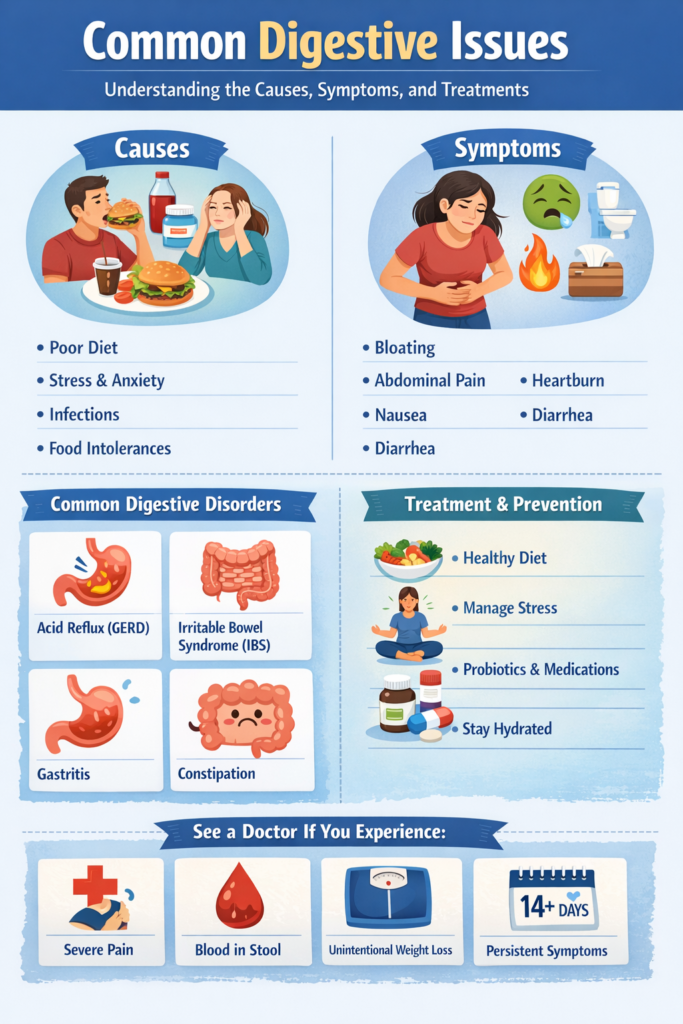
Common signs: Loose stools, urgency, cramps, bloating, nausea. Severe/red flags: Blood in stool, high fever, severe dehydration (dry mouth, dizziness), weight loss, or lasts >2 weeks.
Pro Tip: Stay hydrated with oral rehydration solutions (ORS) — mix clean water, salt, sugar. Avoid dairy/caffeine if intolerant.
When to See a Doctor for Diarrhea Causes
Seek care if:
- Diarrhea lasts >2–3 days (adults) or >24 hours (kids/elderly).
- Signs of dehydration or blood/fever.
- Recent travel, antibiotics, or chronic issues.
Avant Medical Group offers:
- Initial assessment and history review
- Stool tests for infections/parasites
- Hydration guidance and meds (if needed)
- Referrals to gastroenterologists for endoscopy/colonoscopy
- Telehealth for quick advice
Early checks prevent complications — especially in Karachi-like areas with water/food risks (though we’re NYC-based, we understand global concerns).
Experiencing diarrhea?
Don’t wait — book a consult today. Call +212-245-6893 or schedule online for supportive GI care.
Most diarrhea causes are manageable — with the right help, you can feel better fast.
5 Frequently Asked Questions (FAQs)
Answer: Infections (viruses like norovirus, bacteria from food), food intolerances (lactose), and medications (antibiotics). Acute cases often from “stomach bugs.” Mayo Clinic source
Answer:Yes — contaminated food (food poisoning), intolerances (lactose/fructose), or excess caffeine/alcohol. Avoid triggers to test.
Answer:IBS, IBD (Crohn’s/ulcerative colitis), celiac, or ongoing intolerances/meds. Needs doctor evaluation.
Answer:If bloody, with fever, dehydration, or > few days — see a doctor. Dehydration is the biggest risk.
Answer:Yes we evaluate symptoms, test for infections/intolerances, provide guidance, and refer to GI experts for advanced care. Book now!